What is a Marketplace?
Marketplace Definition
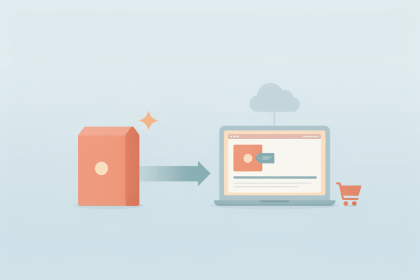
A marketplace is an online platform that connects multiple third-party sellers with buyers, handling the transaction infrastructure while sellers manage their own products and fulfillment.
The marketplace does not own the products it lists, but provides the audience, the checkout, and the trust. Sellers provide the inventory. Amazon, eBay, and Etsy are common examples.
An online store, whether custom-built or running on an ecommerce platform like Shopify, is owned by a single brand selling its own products. A marketplace hosts many sellers at once, earning revenue through fees or commissions rather than product margins. The key difference: on a marketplace, the platform owns the audience, while on your own store, you must build it yourself.
Related Articles
Risks of launching a new product in 2026: EU green claims rules, GPSR, tariffs, digital product passports, AI shopping and product data errors
Product launch ideas for 2026: the real shift is AI-assistant discovery. Make your launch machine-readable, plus the fundamentals that still decide it.
Product content creation in 2026: AI-driven discovery, machine-readable data, DPP compliance, and how a PIM keeps every channel consistent.
Product content guidelines set rules for accurate, consistent product data across channels. Learn what they cover, how to build them, and how PIM helps.
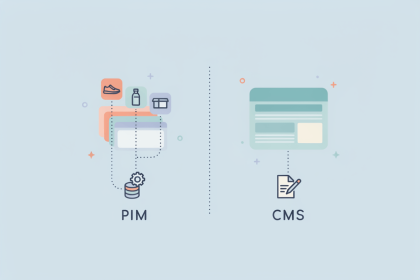
PIM vs CMS explained: what each system does, how they work together, and which PIM and CMS tools fit your business best.
PIM vs PLM explained: what each system does, how they work together, plus leading PLM and PIM tools including AtroPIM and how to connect them.
Practical PIM tips for distributors: manage product data at every stage, from supplier onboarding to channel syndication.
Practical PIM guide for wholesale distributors: onboard messy supplier feeds, enrich thin data, and handle B2B pricing, part numbers, and syndication.