

Blog
Product Information Management Trends For 2026
Product information management trends for 2026: agentic AI, AI-driven discovery, Digital Product Passports, composable architecture, and data quality
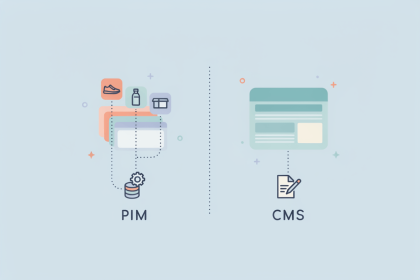
PIM vs CMS: What's The Difference And How They Work Together
PIM vs CMS explained: what each system does, how they work together, and which PIM and CMS tools fit your business best.
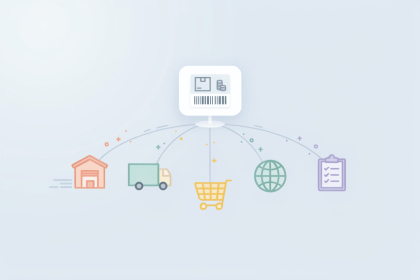
Product Information Management For Distribution: How To Manage Each Stage Better
Practical PIM tips for distributors: manage product data at every stage, from supplier onboarding to channel syndication.

PIM For Wholesale: Turning Supplier Chaos Into A Catalog That Sells
Practical PIM guide for wholesale distributors: onboard messy supplier feeds, enrich thin data, and handle B2B pricing, part numbers, and syndication.

PIM for Manufacturers: What to Look For and What to Avoid
PIM for manufacturers differs from retail PIM in ways that matter. Here's what to look for, what to avoid, and how to choose.
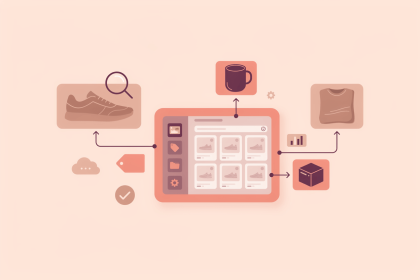
PIM Platform: What It Is, How It Works, and When You Actually Need One
A PIM platform centralizes product data across teams and channels. Learn what it is, how it works, and whether your business actually needs one.
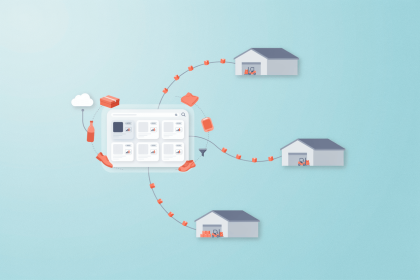
PIM for Distributors: Why It Matters and How to Choose One
Why ERP alone fails distributors, and what to look for in a PIM built for multi-supplier catalogs, B2B channels, and technical product data.
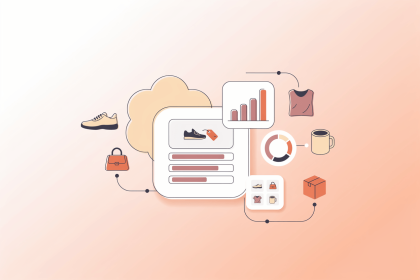
Best Enterprise PIM Software: A Detailed Overview
Compare 8 enterprise PIM systems: USPs, trade-offs, and fit criteria to help you shortlist the right platform for your organization

B2B PIM Solution: What Manufacturers and Distributors Actually Need
A B2B PIM solution has different requirements than B2C. Here is what manufacturers and distributors actually need.

PIM for PDF Generation: A Comprehensive Comparison
PIM for PDF generation and print automation: comparing SalesLayer, Catsy, AtroPIM, Pimberly, Plytix, and Dynamic Web. 132 chars

PIM Strategy: What It Is and How to Get It Right
PIM strategy explained: what it covers, why it fails, and how B2B manufacturers build one that holds up in practice.
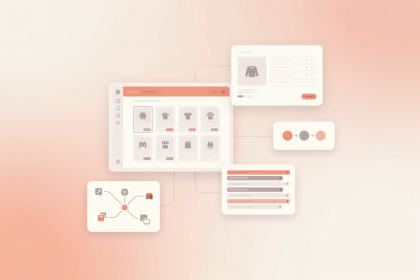
PIM Classification: A Practical Guide
PIM classification defines which attributes each product type needs. Learn the difference from categories, which models work, and how to build one.