What is an Ecommerce Platform?
An ecommerce platform is a software system that enables businesses to build and operate their own online store, covering everything from product listings and checkout to payments and order processing.
Unlike a marketplace, an ecommerce platform gives businesses full control over their storefront, branding, and customer relationships. Shopify, WooCommerce, and Magento are widely used examples.
How does it differ from a marketplace?
A marketplace lists your products on a third-party website alongside other sellers and
brings its own built-in audience (e.g., Amazon, eBay). An ecommerce platform gives you
a dedicated, branded storefront (e.g., Shopify, WooCommerce), but you are responsible
for driving traffic to it. Most businesses use both.
Related Articles
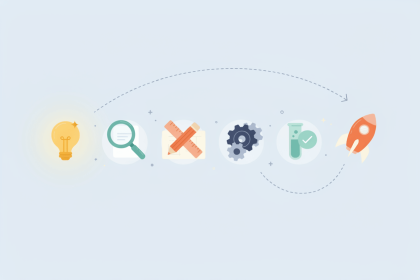
A practical guide to the new product development process, from idea screening to launch, and where product data tools genuinely fit in.
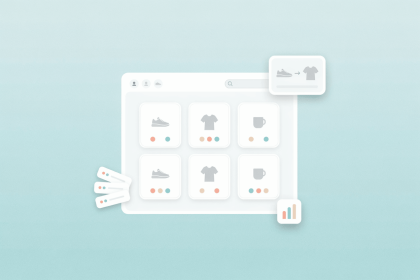
How to handle product variants without SKU sprawl and choose the right variant management software, including PIM, for your catalog
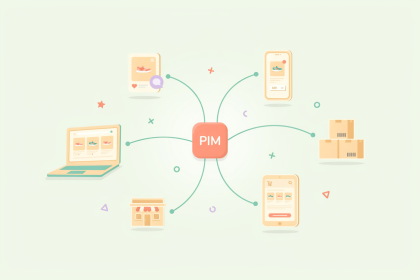
Omnichannel PIM centralizes product data and distributes it across every channel automatically. Here's how it works and why it matters.
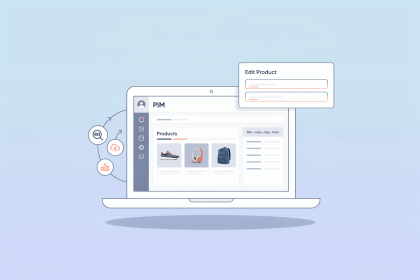
PIM demo: which vendors offer a public self-service demo, a demo with registration, or only a guided sales call? 18 solutions compared.
Product content syndication explained: what it is, how it works, common methods, and how a PIM like AtroPIM powers the process end to end.
PIM for B2B centralizes product data, cuts time to market, and keeps complex B2B catalogs consistent. Learn what B2B PIM does and how to choose.
Struggling with chaotic product data? Discover how PIM for Retailers centralizes operations, cuts costs, and leverages AI to boost e-commerce revenue and reduce returns.