
Reusable Packaging Definition
Reusable packaging is packaging designed to be used many times for the same purpose, rather than being thrown away or recycled after a single use. After each trip, it is returned, checked, cleaned or repaired if needed, and then filled or loaded again. It is common in supply chains, where pallets and crates move between companies, and is increasingly used for consumer products such as refillable bottles and returnable takeaway containers.
What are some examples of reusable packaging?
- Transport packaging: pallets, plastic crates, roll cages, and bulk containers that move goods between factories, warehouses, and stores
- Beverage packaging: refillable glass bottles and kegs that are collected, washed, and refilled
- Food service packaging: cups and takeaway containers that customers return after use, often for a small deposit
- E-commerce packaging: durable mailers and boxes that customers send back so they can be used for another order
Is durable packaging automatically reusable?
No. A sturdy container only counts as reusable if there is a practical way to get it back and use it again. The arrangements that make this possible, such as collection points, deposits, return transport, cleaning, and tracking, are called a reuse system. Without one, even strong packaging is usually used once and discarded.
How does a reuse system work?
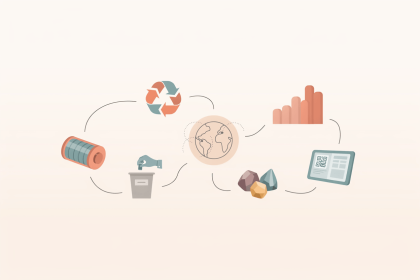
Most reuse systems follow the same cycle:
- Fill and ship: the product is packed and sent to a business or customer
- Use: the product is unpacked or consumed
- Return: the empty packaging is collected, dropped off, or sent back, often encouraged by a deposit refund
- Recondition: the packaging is inspected, cleaned, and repaired; damaged items are taken out of circulation and recycled
- Reuse: the packaging goes back into circulation
Systems can be closed-loop, where one company or a group of partners reuses its own packaging, or open-loop (often called pooling), where many businesses share standardized packaging managed by a common operator. Refill systems, where customers refill their own container in a store or at home, work toward the same goal.
How is reusable packaging different from recyclable packaging?
Recyclable packaging is used once and then broken down into raw material to make new products. Reusable packaging stays intact and is used again in its original form. Reuse avoids the energy and material losses involved in reprocessing, although reusable packaging should still be recyclable when it is finally taken out of service.
Is reusable packaging always better for the environment?
Not automatically. Reusable packaging is usually heavier and uses more material than a single-use version, and returning and cleaning it uses energy and water. These extra costs are only outweighed once the packaging has been used enough times. The benefits are greatest when most packaging comes back, transport distances are short, and each item survives many trips.
What do regulations require?
In the European Union, the Packaging and Packaging Waste Regulation (PPWR) applies from 12 August 2026. It defines what counts as reusable packaging, requires reusable packaging to be part of a reuse system, and sets reuse targets starting in 2030. For example, at least 40% of certain transport packaging, such as pallets and crates, must be reusable. Takeaway food and drink businesses must also offer customers a reusable packaging option from 2028. Some details, including the minimum number of trips a package must complete to count as reusable, are still being finalized, and parts of the rules may be adjusted.
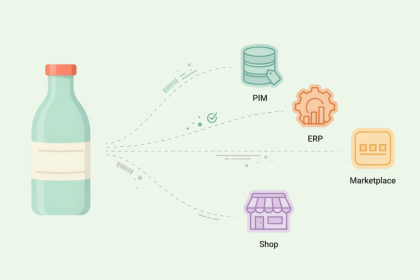
To show compliance, businesses need accurate records about their packaging, such as its material, weight, whether it is reusable, and how often it is reused.