

Blog
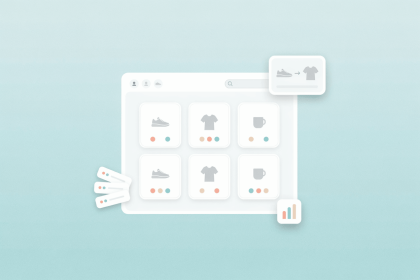
Variant Management Software: How PIM Handles Product Variants
Learn how variant management software and PIM keep size, color, and spec variants accurate across every channel, plus a checklist for choosing a tool.

Stages Of New Product Development In 2026
Stages of new product development for physical products in 2026: idea to launch, plus DPP, PPWR, green claims, tariffs and product data risks.
New Product Launch Ideas for 2026
Product launch ideas for 2026: the real shift is AI-assistant discovery. Make your launch machine-readable, plus the fundamentals that still decide it.
Product Compliance Software: What It Is, How It Works, and How to Choose the Right One
Product compliance software tracks REACH, RoHS, and DPP data across your BOM and suppliers. Learn how it works and how to choose the right tool.
Product Content Guidelines: What They Are And How To Implement Them
Product content guidelines set rules for accurate, consistent product data across channels. Learn what they cover, how to build them, and how PIM helps.
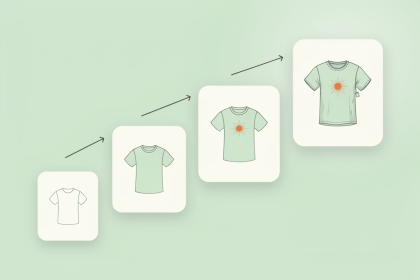
The Stages Of New Product Development, And How To Manage Each One
The stages of new product development explained, with practical tips for managing each one from first idea to launch and post-launch review.
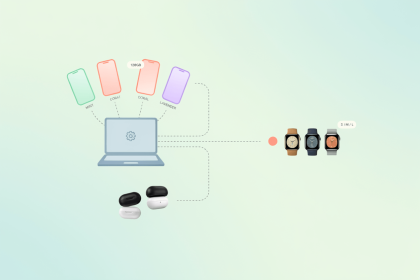
Product Variant Management: How To Choose The Right Software
How to choose product variant management software: practical tips for suppliers, retailers, and wholesalers on parent-child data and PIM.
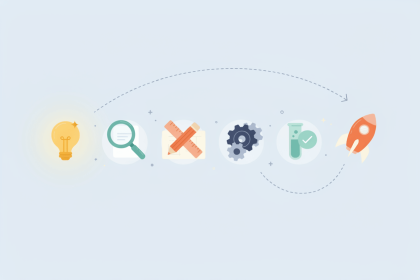
The New Product Development Process: A Practical Guide From Idea To Launch
A practical guide to the new product development process, from idea screening to launch, and where product data tools genuinely fit in.
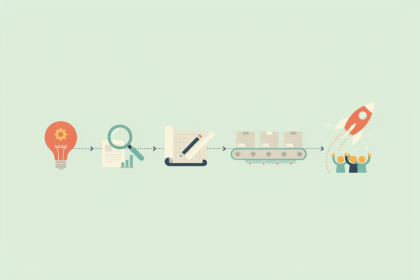
Steps In New Product Development: A Practical Guide
A practical guide to the steps in new product development, with tips on avoiding failure and choosing the right software, including PIM, for launch.

Strategies For New Product Development
Strategies for new product development: validate the problem, run stage gates that work, and know when product data is really the bottleneck.

Catalog Automation: A Practical Guide for B2B Companies
Catalog automation for B2B companies: what it is, how it works, which tools fit, and how to avoid the data problems that break most implementations.
Rich Product Content: A Practical Guide
Rich product content: what it includes, how it reduces returns, and how manufacturers manage it consistently across channels at scale.