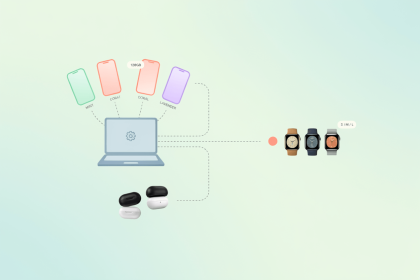

ETIM Definition
ETIM (European Technical Information Model) is a global classification standard for technical and industrial products that gives every product type a defined set of attributes, so product data can be structured, exchanged, and compared consistently across manufacturers, distributors, and buyers.
Why does it exist?
Technical products like electrical components, HVAC equipment, and tools are sold across many countries and systems. Without a shared structure, the same product might be described differently by every manufacturer. It would make it hard for distributors and buyers to compare or import data reliably. ETIM solves this by defining exactly which attributes belong to each product type and what values they can hold.
How is it structured?
ETIM organises products into classes, each with a fixed set of features (attributes) and permitted values. A circuit breaker, for example, has a defined class with features like rated current, number of poles, and mounting type. Every manufacturer using ETIM describes that product the same way.
Who uses it?
ETIM is widely used across the construction, installation, and industrial supply sectors, particularly in Europe. Manufacturers use it to structure their product data; distributors use it to receive and integrate that data without manual rework; buyers and procurement systems use it to filter and compare products efficiently.
Can a PIM system support ETIM?
Yes. A PIM system is a natural fit for managing ETIM-classified data. AtroPIM, an official member of the ETIM organisation, allows teams to structure product attributes according to ETIM classes and export data in ETIM-compliant formats for distributors and platforms.