Digital Catalog Definition
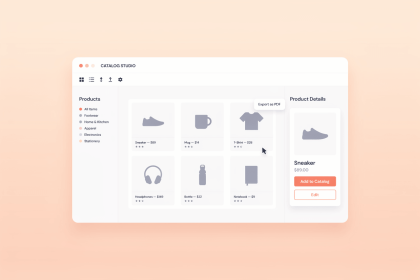
A digital catalog is an electronic version of a product catalog that customers browse on a screen instead of on paper. Also called an e-catalog or online catalog, it presents products with images, descriptions, specifications, and prices, and can be downloaded as a file, viewed in a web browser, or embedded on a company's website.
What formats do digital catalogs come in?
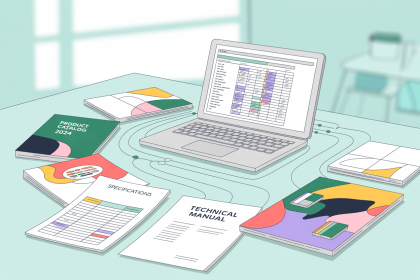
- PDF catalog — a downloadable file, often with the same layout as the printed version, plus a clickable table of contents and links to product pages
- Flipbook — an online catalog that imitates turning the pages of a printed book, usually created from a PDF
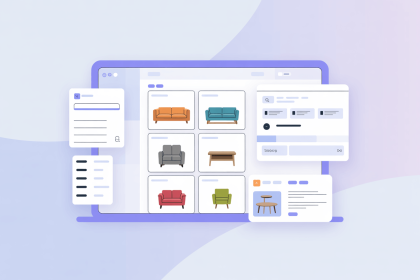
- Interactive web catalog — a browsable catalog with search and filters, common in B2B, where customers can sometimes check prices or place orders directly
How is it different from a printed catalog?
A digital catalog can be updated and redistributed without reprinting, so prices and product ranges stay current between editions. It can also do things paper cannot, such as linking to product pages, showing videos, letting readers search by product number, and, for online versions, showing which pages readers view most. Printed catalogs are still used at trade shows, in field sales, and in industries where customers prefer paper, so many businesses publish both.
How are digital catalogs created?
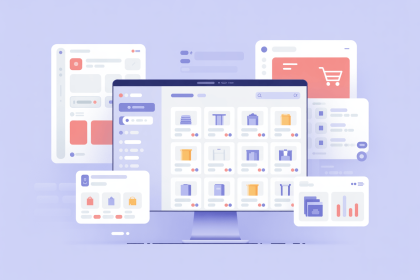
Small catalogs are often designed by hand in layout software. Larger or frequently updated ones are typically produced through database publishing, where product data flows automatically into templates, so the same data can produce print and digital versions side by side. That data usually comes from a central system such as Product Information Management (PIM).