
Omnichannel Commerce Definition
Omnichannel Commerce is a selling approach in which a business operates across multiple channels (webshop, marketplace, physical store, mobile app, etc) in a way that keeps product information, pricing, and availability consistent for the customer regardless of where they shop.
How is it different from multichannel?
Multichannel means selling through more than one channel. Omnichannel means those channels are connected. In a multichannel setup, each channel may have its own product data managed separately. In an omnichannel setup, a change made in one place (a price update, a new image, a corrected specification) is reflected everywhere, automatically.
What does this require on the product data side?
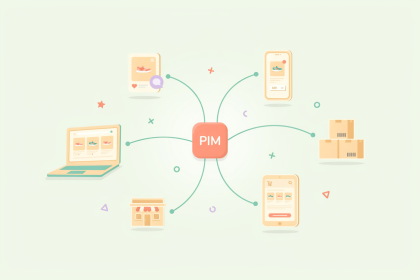
Consistent product data across channels does not happen by default. It requires a single authoritative source (typically a PIM system) that holds the master version of every product record and pushes updates to each channel through syndication. Without this, teams end up maintaining separate spreadsheets or platform listings per channel, which leads to inconsistencies and errors at scale.
Why does it matter?
Shoppers move between channels before and after a purchase, researching on a marketplace, buying through a webshop, returning in-store. If product information differs across those touchpoints, it erodes trust and increases returns. Omnichannel commerce treats consistent product data not as a nice-to-have but as a baseline requirement for operating across channels at all.