
What is Multichannel?
Multichannel Definition
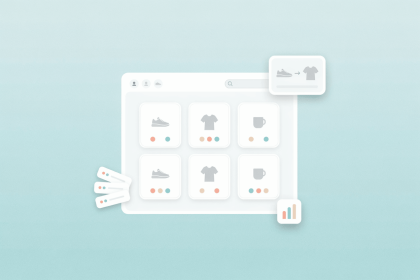
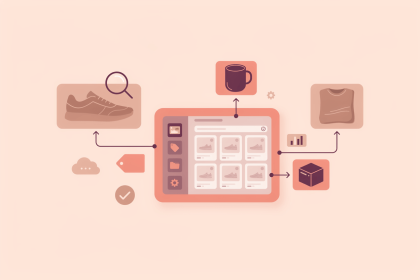
Multichannel refers to selling and distributing products across more than one channel simultaneously, such as a business's own website, an online store built on an ecommerce platform, marketplaces like Amazon or eBay, social commerce channels, printed catalogs, retailer feeds, and comparison shopping engines like Google Shopping. Each channel has its own format requirements, content standards, and audience expectations.
The same product needs a 80-character title on Amazon, a detailed description on your website, and a compact spec sheet for a retailer feed.
Why multichannel makes product data hard
Each channel you add multiplies the places where product data needs to be correct. Without a central system, teams end up maintaining separate versions of the same content, and inconsistencies are inevitable.
Managing multichannel with PIM
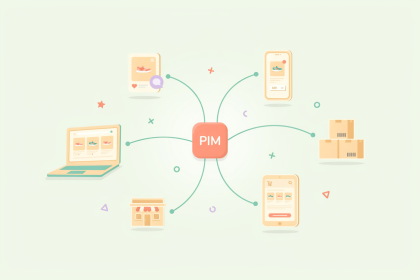
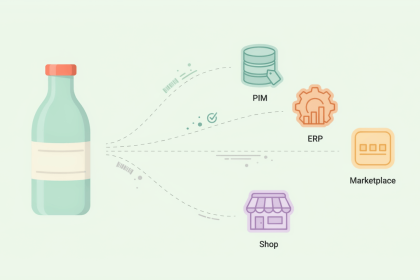
A PIM system is built for multichannel distribution. Product data is maintained once, centrally, and then tailored and distributed to each channel automatically, ensuring consistency without duplicating effort.
Related Articles
PIM vs MDM: understand the key differences, when each system fits, and how combining both eliminates data inconsistencies across your organization.
Open source PIM compared: AtroPIM, Pimcore, Akeneo, UnoPIM. Features, data models, integration, access control, and which system fits your business.
PIM evaluation guide: readiness signals, weighted selection criteria, TCO breakdown, data preparation, stakeholder mapping, and POC best practices.
PIM challenges are predictable. Learn the most common product information management challenges and how to resolve them before they derail your project.
PIM for B2B centralizes product data, cuts time to market, and keeps complex B2B catalogs consistent. Learn what B2B PIM does and how to choose.
PIM automotive software helps manufacturers and distributors manage parts data, fitment attributes, ACES/PIES compliance, and multi-channel distribution at scale.
PIM system explained: what it does, how it works, key benefits, and when your business actually needs one.
Learn what a product master data model is, how to structure its core entities, attributes, hierarchies, and variants, and why it is the foundation of every successful PIM or MDM project.