
Product Catalog Definition
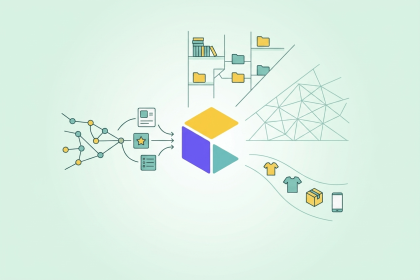
A product catalog is the complete, organized collection of everything a business sells. A printed mail-order catalog once listed every item with a photo, a description, and a price. Today, that same idea lives in a database and powers both the website shoppers browse and the internal systems teams use to manage it.
When a customer searches for a product, filters by size, or reads a spec sheet, they are looking at the catalog. When a merchandiser updates a price, a marketer writes a description, or a marketplace like Amazon pulls in product data, they are working with the same catalog from the other side.
What does a product catalog include?
At a minimum, each product in a catalog has a name, a description, pricing, and at least one image. Most catalogs also include:
- Identifiers such as SKUs (Stock Keeping Units) or GTINs (Global Trade Item Numbers) that distinguish one product from another
- Attributes like dimensions, weight, color, or material that help customers compare and filter
- Taxonomy — the categories and hierarchies that group products logically (e.g., Clothing > Jackets > Waterproof)
- Media assets including images, videos, and documents such as manuals or spec sheets
How is a product catalog different from an inventory?
A catalog describes what a business sells. Inventory tracks how much of it is available. A product can exist in a catalog with a full description and images, even when it is out of stock or discontinued. The two are related but serve different purposes.
Why does catalog quality matter?
Online shoppers rely entirely on catalog data to make purchasing decisions, since there is no shelf to browse or sales assistant to ask. An incomplete product page, a missing image, or a wrong specification is enough to lose a sale.
Businesses selling across multiple channels typically centralize and manage their extensive product catalogs with a Product Information Management (PIM) system to keep everything accurate and consistent.