What is a Product Page?
Product Page Definition
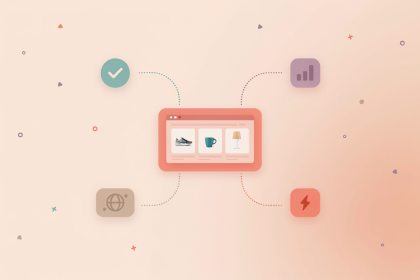
A product page is the individual page on a website or ecommerce platform that presents all the information a shopper needs to evaluate and purchase a specific product. It is the primary point where product data becomes customer-facing content.
What does a product page typically include?
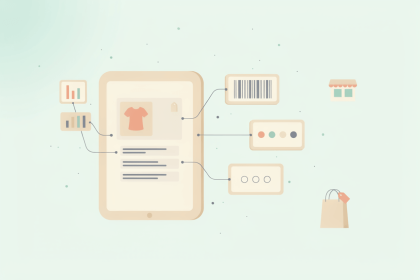
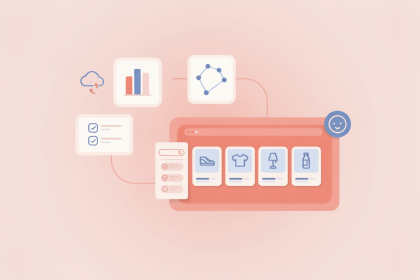
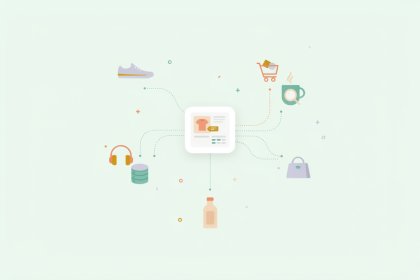
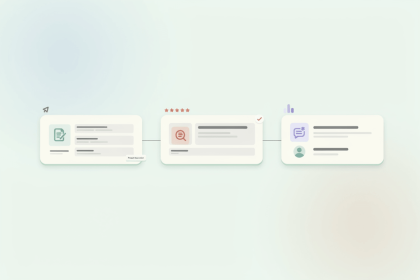
A product page brings together content from multiple sources: the product title, description, images, and specifications drawn from a PIM or catalog system; pricing and stock availability from an ERP or commerce backend; and supporting content such as reviews, related products, and delivery information. The quality and completeness of this content directly affects conversion rates and return rates.
Why does product data quality matter here?
Online shoppers cannot inspect a product in person, so the product page carries the full burden of communicating what something is and whether it is right for the buyer. Incomplete attributes, missing images, or inconsistent descriptions erode trust and increase the likelihood of abandoned carts and returns. This is why data completeness and content enrichment efforts are ultimately measured by how well they perform on the product page.
Related Articles
Product content syndication software explained: how it relates to PIM, who maintains channel requirements, pricing, GPSR and DPP data.
Product information management benefits in 2026: fewer returns, faster launches, DPP readiness, and AI that works on clean data. A practical guide.
Product information management for retail: how retail PIM handles supplier data, the EU €3 parcel duty, GPSR, EAA and DPP rules, and what to look for.
How a product information management tool works now that AI assistants read product data first: core mechanisms, AI feeds, DPP, and risks.
Product Information Management for ecommerce now serves AI agents as well as shoppers. What changed, which risks are live, and how PIM software keeps product data accurate.
AI assistants now pre-sell products. See how the product detail page changed, which risks matter now, and how PIM keeps PDP data accurate.
A product content specialist now writes for shoppers and AI assistants. How the daily work, the audience, the risks, and the tools have changed.
Product content review in practice: what to check, how PIM rules and AI share the work, and which EU compliance checks matter now.