
Product Variant Definition
A product variant is a specific, purchasable version of a product that differs from other versions by one or more attributes, such as size, color, or material, while sharing the same base product identity.
What makes something a variant versus a separate product?
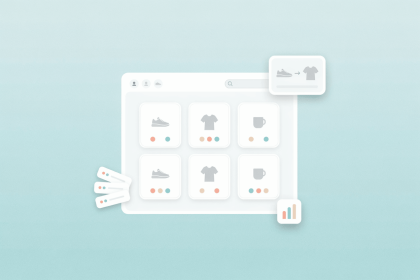
Variants are versions of the same item that a customer chooses between at the point of purchase. A black t-shirt in size small and the same t-shirt in size large are variants. A black t-shirt and a polo shirt are separate products, even if they share a brand and a color.
The practical test: if a shopper would expect to find both options on the same product page, they are probably variants.
What attributes define a variant?
The most common are size, color, material, and configuration (for example, storage capacity on electronics or fragrance strength on a perfume). A product can combine more than one dimension: a shirt offered in three colors and four sizes produces twelve variants, each tracked separately in inventory.
Why do variants matter operationally?
Each variant needs its own SKU so stock can be tracked individually. Knowing you have 200 t-shirts in stock is not useful if you do not know how many are small and how many are large. Without clean variant structure, overselling, stockouts, and mismatched product pages follow quickly.
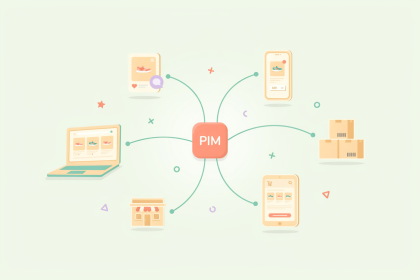
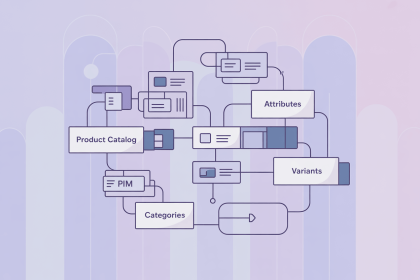
A Product Information Management (PIM) system typically handles this with a parent-child model: one parent record holds the shared content (name, description, imagery), and each child variant holds its own SKU, price, and stock level.