
Versioning Definition
Versioning is the practice of saving and tracking successive changes to a file, piece of data, or product as separate, identifiable versions over time. Each version is kept rather than overwritten, so anyone can see what changed, when, and by whom, and return to an earlier state if needed.
What can be versioned?
Almost anything that changes over time and needs a reliable history:
- Documents and files, such as contracts, manuals, and design files
- Software and code, where each release is labeled with a version number like 2.1 or 3.0
- Data records, such as product descriptions, prices, or customer details
- Datasets and models used for analysis and reporting
How does versioning work?
Each time a change is saved, the system records a new version along with details such as the date, the person who made the change, and often a short note explaining it. Versions are usually labeled with numbers or timestamps. Many systems also let users compare two versions side by side, restore an older version, or keep a draft version separate from the published one until it has been reviewed and approved.
Why does versioning matter?
Without versioning, a change overwrites what came before, and mistakes can be hard to spot or undo. Versioning provides a clear record of who changed what, which supports accountability, auditing, and compliance with regulations that require change histories. It also makes teamwork safer, since several people can work on the same content without losing each other's changes, and a known good version is always available to fall back on.
How is versioning used for product data?
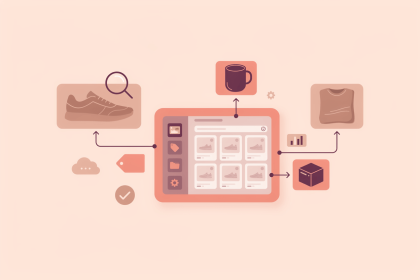
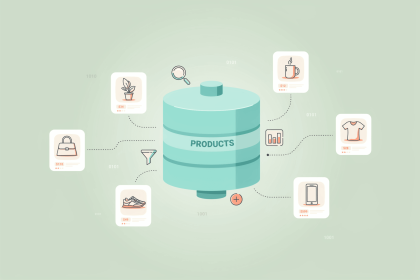
Product information changes often, as prices are updated, descriptions are rewritten, and specifications are revised. A Product Information Management (PIM) system, which is software for storing and managing product data in one place, typically keeps a version history for each product record. This lets teams review past changes, restore earlier content, and prepare updates in advance, for example for a seasonal campaign, before publishing them to online stores and other sales channels.