

Blog
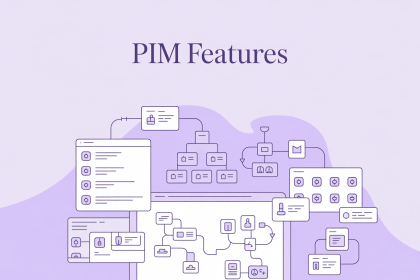
PIM Features: A Practical Guide for Complex Product Catalogs
PIM features explained: which capabilities matter for complex product catalogs, and how to tell capable systems from basic ones.
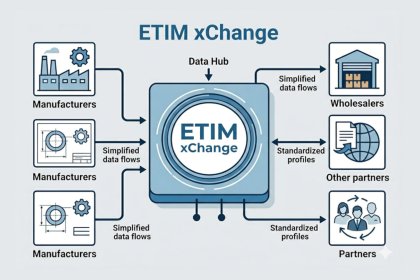
ETIM xChange: A Beginner's Guide
ETIM xChange is the JSON-based standard for exchanging ETIM-classified technical product data. Learn how it works, who uses it, and how to get started.
How to Create a Product Brochure That Sells
Product brochure mistakes cost manufacturers sales. Here is what works: structure, copy, data management, and version control that hold up in the field.

PIM Selection: What Really Matters
Learn how to choose a PIM that fits your data, team, and growth needs. A practical guide to PIM selection and choosing PIM software that works.
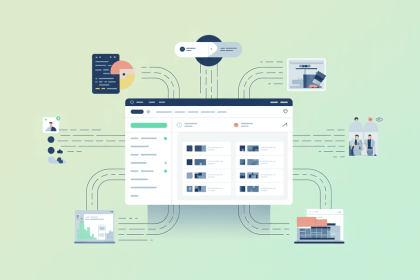
PIM Implementation Guide for Absolute Beginners
PIM implementation guide for beginners: data modeling, migration, integrations, and phased rollout. Practical steps from projects we've delivered.

Digital Product Catalog Software: A Practical Guide
Digital product catalog software: five output types, how each gets its data, which procurement formats matter in B2B, and what to check before you buy. (151 chars)

Product Attribute Management: Best Practices for Complex Catalogs
Product attribute management best practices: taxonomy, classification, attribute types, governance, and AI-ready data for complex catalogs.
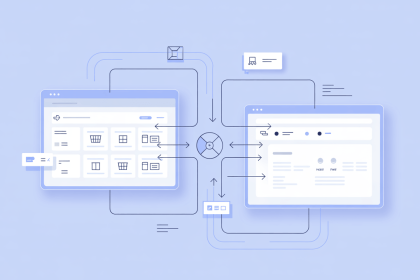
PIM NetSuite Integration: A Practical Platform Comparison
PIM NetSuite integration: how sync direction, native vs. middleware connectors, and data model flexibility determine which platform fits your operation.
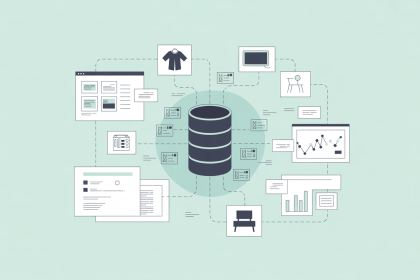
Product Data Management: Best Practices
Product data management best practices: 10 proven tips to improve data quality, reduce returns, and keep your product catalog accurate across channels.

How to Do Product Data Optimization for Better Sales
Learn how to do product data optimization step by step: titles, attributes, images, pricing, and when a PIM system like AtroPIM helps most.
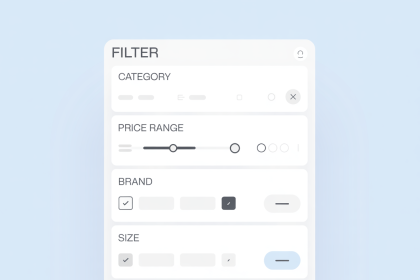
How to Build Scalable and Efficient Product Taxonomy
Product taxonomy defines how products are organized, classified, and related across your catalog. Learn how to build a structure that scales.

Enterprise Product Information Management Explained
Enterprise product information management centralizes product content across systems, channels, and markets. Learn what it is, why it matters at scale, and how to implement it.