What is an Attribute Group?
Attribute Group Definition
An Attribute Group (also called an Attribute Set) is a named collection of product attributes that belong together and are managed as a unit. Instead of assigning dozens of individual fields to every product one by one, a team defines a group once, say, "Electrical Specifications" or "Packaging & Dimensions", and applies it to all relevant products at once.
Why do attribute groups exist?
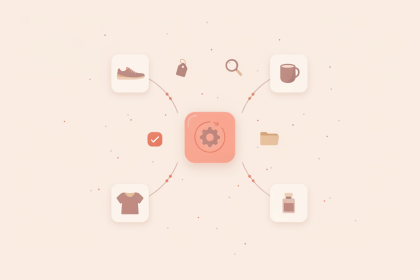
Products in different categories need different data. A laptop requires battery life, processor type, and screen resolution; a t-shirt requires size, color, and fabric composition. Attribute groups make it practical to manage this variation: each product category gets only the fields that apply to it, keeping records focused and reducing the risk of missing required information.
How do they work in a PIM?
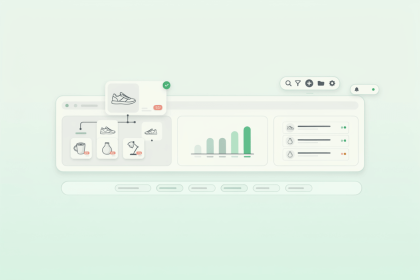
In a PIM system, attribute groups are typically assigned at the category level. When a product is placed in a category, it automatically inherits the relevant groups and their fields. This also feeds directly into completeness scoring: a product is only considered complete when all required attributes across its assigned groups are filled in.
Related Articles
PIM technology for mid-sized manufacturers: what to test before you buy and what the EU Digital Product Passport requires from your data.
Product page content best practices for manufacturers: what each page must include and how to keep specs, media and data consistent in every channel.
B2B product launch checklist by phase: data, pricing, channel and sales readiness, why launches slip, and how a product information management tool helps.
B2B product catalogue management in practice: why it differs from B2C and how AtroPIM, Pimcore, Plytix and Sales Layer compare on features and price.
Product information management benefits in 2026: fewer returns, faster launches, DPP readiness, and AI that works on clean data. A practical guide.
Product content review in practice: what to check, how PIM rules and AI share the work, and which EU compliance checks matter now.
Your product description can read well and still miss the details buyers and AI assistants look for. What to include and how to keep it accurate.
How to prepare a sales team for a new product launch: messaging, pricing, CRM, territories, SPIFs, scenario training, and product data.