
Barcode Definition
A barcode is a machine-readable symbol printed on a product or its packaging that encodes a unique identifier, allowing scanners to instantly retrieve the product's associated data from a connected system.
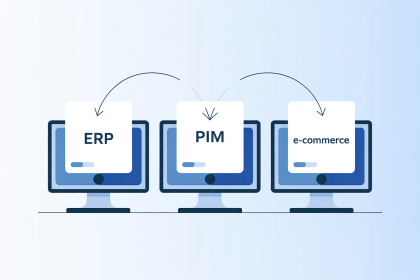
Barcodes are the physical link between a product in the real world and its digital record in systems like ERP, inventory management, or ecommerce platforms.
What information does a barcode contain?
A barcode itself stores only a number, typically a product identifier such as a GTIN, EAN, or UPC. The useful information (product name, price, stock level) lives in the system the barcode points to. Scanning the barcode is simply a fast, accurate way to look up that record without manual data entry.
What are the common types?
- 1D barcodes — the familiar pattern of vertical lines found on retail packaging, encoding a single string of numbers
- QR codes — a 2D format that can encode more data, including URLs, and is readable by smartphones as well as dedicated scanners
Why does it matter for ecommerce and inventory?
Accurate scanning at goods receipt, picking, and dispatch is what keeps stock levels reliable across warehouses and sales channels. When barcode data is inconsistent or missing from product records, inventory counts drift, fulfillment errors increase, and reconciling physical stock with system data becomes time-consuming. Most PIM and ERP systems store barcode identifiers as a core product attribute.