Data Cleansing Definition
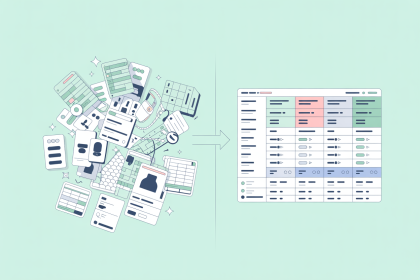
Data cleansing (also called data cleaning or data scrubbing) is the process of finding and fixing errors, gaps, and inconsistencies in a set of data so that it is accurate and ready to use. Reports, decisions, and customer-facing content are only as reliable as the data behind them, so cleansing helps prevent problems such as wrong orders, failed deliveries, and rejected marketplace listings.
What does data cleansing fix?
- Duplicates, such as the same product or customer entered twice under slightly different names
- Errors and typos, like a wrong price, an invalid email address, or a weight entered in the wrong unit
- Inconsistent formats, such as dates, units, or color names written in several ways ("Navy", "navy blue", "NVY")
- Missing or outdated values, such as empty required fields or discontinued items still listed as available
How does it work?
Data is first checked against a set of rules, such as required fields, allowed values, or standard formats, to find records that don't fit. Problems are then corrected, merged, standardized, or removed, either automatically or by a person reviewing the flagged records. Because new errors appear whenever data is added or changed, cleansing works best as a regular task rather than a one-time cleanup.
How does PIM support data cleansing?
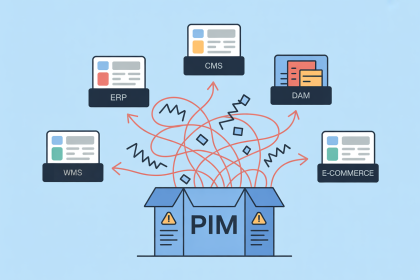
Product data often arrives from many sources, including supplier spreadsheets, ERP (Enterprise Resource Planning) systems, and manual entry, each with its own formats and mistakes. A Product Information Management (PIM) system brings this data into one place, where validation rules flag incomplete or incorrect values so they can be fixed before products are published to sales channels.