
Digital Asset Management Definition
Digital Asset Management (DAM) is the practice, and the software, used to store, organize, find, and share a business's digital files, such as images, videos, documents, and logos, from one central library. Instead of files being scattered across shared drives, email, and personal computers, everyone works from the same approved versions.
What counts as a digital asset?
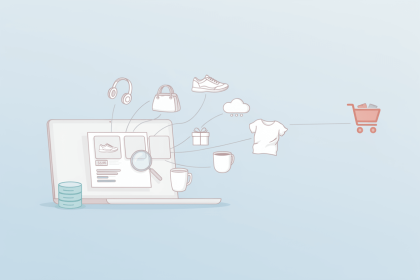
A digital asset is any file a business uses and needs to keep track of. Typical examples are product photos and videos, 3D models, user manuals, data sheets, certificates, logos, brand guidelines, and marketing materials. Usage rights, such as where an image may be published and when its license expires, are often tracked along with the file itself.
How does it work?
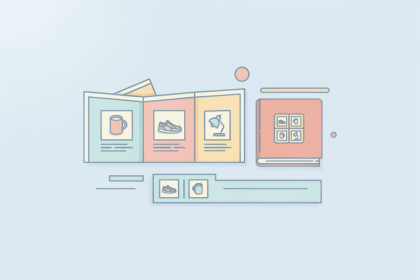
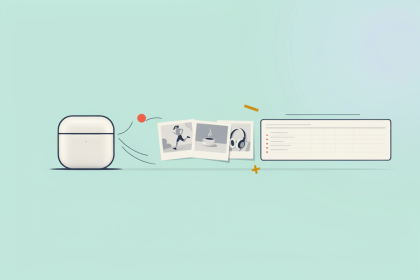
Files are uploaded once to a central library and labeled with metadata, descriptive information such as the product shown, color, language, or usage rights. That makes them easy to search and filter. A DAM system typically keeps track of versions so teams use the latest approved file, controls who can view or edit each asset, and converts files into the sizes and formats different channels require. For example, it can create a small, compressed web image from a large print photo.
Why does it matter?
Without a central library, teams lose time searching for files, duplicates pile up, and outdated logos or images with expired licenses end up in use. As the number of products, languages, and sales channels grows, these problems multiply. DAM keeps assets consistent and gets them to every channel faster.
How is DAM different from PIM?
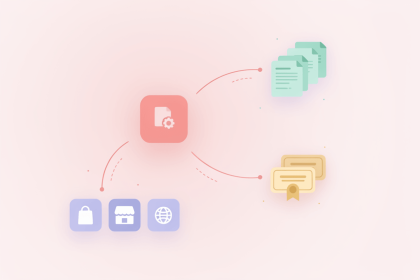
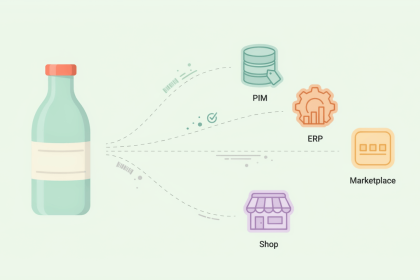
DAM manages files. Product Information Management (PIM) manages product information such as attributes, descriptions, and prices. The two work together: each product record in the PIM links to its images, videos, and documents in the DAM, and a product page or marketplace listing combines both. Some PIM systems include DAM features for product-related files, while a standalone DAM also covers wider brand and marketing materials.