What is a Product Line?
Product Line Definition
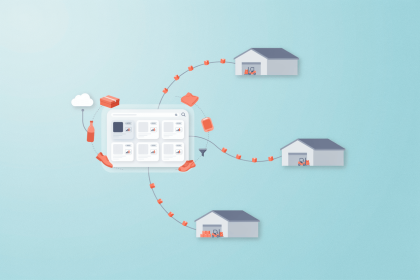
A product line is a group of related products offered by the same brand that target a similar use case, customer segment, or price point. Products within a line share enough in common to be sold and managed together, but each remains a distinct item with its own SKU and specifications.
How does it fit into a catalog hierarchy?
A product line typically sits below a product family and above individual products. A skincare brand might have a "Daily Essentials" line within its broader skincare family, containing a cleanser, toner, and moisturiser as separate products.
Why does it matter for product data?
Product lines help organise catalog structure, shared marketing content, and attribute templates. In a PIM, grouping products by line makes it easier to apply consistent descriptions, imagery standards, and pricing logic across related items, and to publish them together to the right channels.
Related Articles
AI assistants now pre-sell products. See how the product detail page changed, which risks matter now, and how PIM keeps PDP data accurate.
Product content marketing explained: how product data, PIM, marketplaces and AI shopping agents decide what sells, plus current risks and fixes.
How to prepare a sales team for a new product launch: messaging, pricing, CRM, territories, SPIFs, scenario training, and product data.
How to structure and manage product categories in a PIM. Practical tips on taxonomy depth, attribute inheritance, and channel mapping.
A practical guide to the new product development process, from idea screening to launch, and where product data tools genuinely fit in.
Looking for Pimcore alternatives in 2026? Compare AtroPIM and other PIM platforms on cost, setup time, and flexibility.
Catalog automation for B2B companies: what it is, how it works, which tools fit, and how to avoid the data problems that break most implementations.
Why ERP alone fails distributors, and what to look for in a PIM built for multi-supplier catalogs, B2B channels, and technical product data.