
Configurable Product Definition
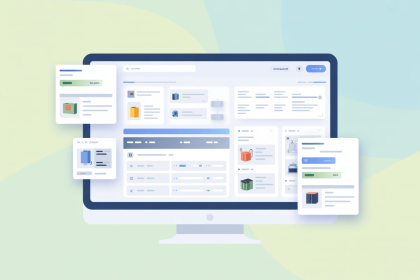
A configurable product is a product that is assembled from a defined set of selectable options — such as size, material, processor, or finish, where each combination produces a distinct, purchasable version. Rather than browsing fixed listings, the buyer actively builds their version at the point of purchase.
How is it different from a product variant?
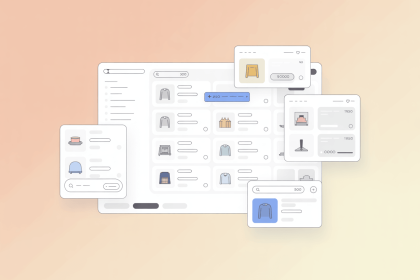
A product variant is a pre-built, fixed version of a product: a T-shirt in size M, color blue. A configurable product goes further: the buyer selects from available options and the valid combinations, pricing logic, and availability rules are all defined in advance by the seller. A laptop where the buyer chooses processor, RAM, and storage is a typical example.
Where are configurable products common?
They appear most often where personalization or technical specification is part of the buying process: consumer electronics, furniture, industrial equipment, automotive, and made-to-order manufacturing. B2B commerce relies on them heavily, where buyers specify requirements before placing an order.
How do PIM systems handle them?
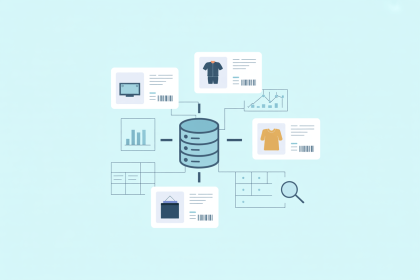
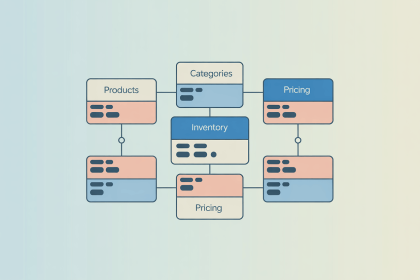
A PIM stores the shared product data and the attribute definitions that drive configuration. The configuration rules, pricing logic, and availability are typically handled by a dedicated Configure, Price, Quote (CPQ) tool or the ecommerce platform, with the PIM as the underlying source of truth.