
ESPR Definition
The Ecodesign for Sustainable Products Regulation (ESPR) is a European Union law (Regulation (EU) 2024/1781) that sets rules for making products sold in the EU more durable, repairable, recyclable, and transparent about their environmental impact. It entered into force on 18 July 2024 and replaces the older Ecodesign Directive (2009/125/EC), which only covered energy-related products such as fridges and washing machines. The ESPR extends that approach to nearly all physical goods on the EU market.
What does the ESPR cover?
The regulation applies to almost all physical products placed on the EU market or put into service, including components and intermediate materials like iron, steel, and aluminium. A small number of categories are exempt, mainly food, feed, and medicinal products. It applies regardless of where a product is made: an item imported from outside the EU must meet the same requirements as one produced inside it. The obligations reach across the supply chain, covering manufacturers, importers, distributors, and online marketplaces.
How does the ESPR actually set requirements?
The ESPR is a framework regulation. This means it does not list specific product rules itself. Instead, it creates the legal machinery for the European Commission to set requirements product group by product group through delegated acts, secondary legislation based on detailed technical assessments. A useful analogy: the ESPR is the operating system, and delegated acts are the applications that run on it. These acts can be:
- Product-specific — targeting one group, such as textiles or furniture
- Horizontal — applying shared rules, such as repairability, across several groups
The Commission publishes a working plan (the first covers 2025–2030) listing which products will be regulated and when.
What kinds of requirements can it introduce?
Requirements fall into two broad types: performance requirements, which set minimum standards a product must meet, and information requirements, which govern what must be disclosed. Across both, the ESPR can address a product's durability, reusability, repairability, energy and resource efficiency, recycled content, ease of recycling, and the presence of substances of concern.
What is a Digital Product Passport?
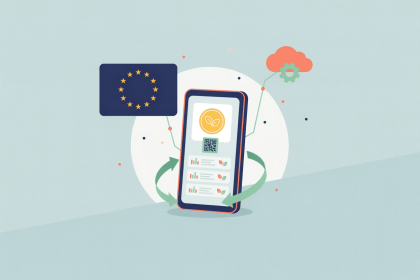
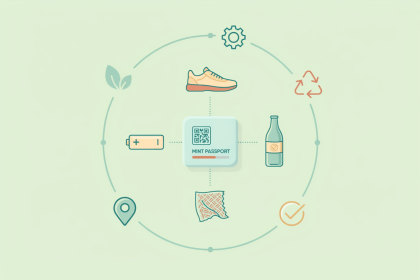
A Digital Product Passport (DPP) is a digital record accessible electronically, often via a QR code or similar tag that stores key information about a product's composition, sustainability, and lifecycle. Under the ESPR, DPPs will become standard for regulated product groups, giving consumers, regulators, and recyclers a consistent way to check a product's environmental credentials and handle it correctly at end of life.
What is the rule on destroying unsold goods?
The ESPR discourages overproduction by restricting the destruction of unsold consumer products. Businesses must disclose what happens to unsold stock, and certain categories face an outright ban on destruction. For unsold clothing and footwear, this ban applies to large enterprises from 19 July 2026 and to medium-sized enterprises from 19 July 2030.
Why does the ESPR matter?
It is a cornerstone of the EU's Circular Economy Action Plan under the European Green Deal, shifting product policy away from a "take, make, throw away" model toward keeping materials in use longer. For businesses, it changes how products must be designed, documented, and sold in one of the world's largest markets, and because compliance is tied to market access rather than company location, it is likely to influence product standards well beyond the EU. Enforcement is handled by individual EU member states, which set penalties for non-compliance.