
GPC Definition
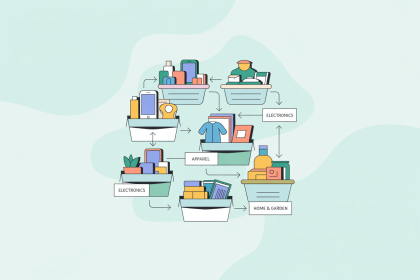
GPC (Global Product Classification) is a GS1 standard that groups products into a common set of categories so that trading partners around the world describe the same kind of product in the same way. It gives every product a "brick" code, a category that represents products serving a common purpose, such as "Milk (Perishable)" or "Laptop Computers", regardless of brand, language, or country.
Why is a shared classification needed?
When a supplier and a retailer each use their own category names, matching products between their systems becomes slow and error-prone. GPC removes that friction by giving both sides one agreed set of categories. This is especially important in GDSN (Global Data Synchronization Network), where GPC is used to classify products as they are synchronized between partners, so a retailer knows immediately what type of product it is receiving.
How is it structured?
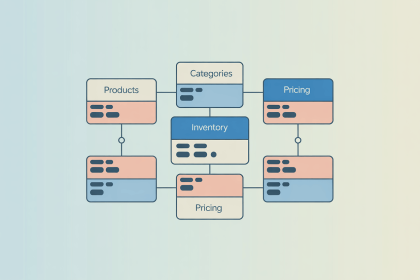
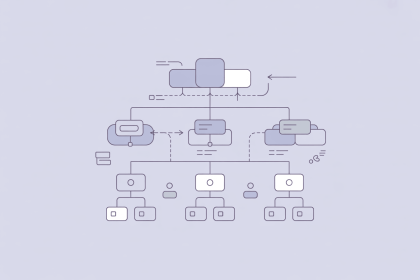
GPC is organized as a hierarchy that moves from broad to specific: Segment, Family, Class, and Brick, with the Brick being the key working level. Each brick can carry additional attributes and values that further describe products within it, for example a color or a packaging type. Because the brick is the anchor, partners can align on the essential category first and layer finer detail on top.
How does it differ from other classification standards?
GPC is deliberately broad and purpose-based, designed for fast, reliable category matching across borders rather than deep technical description. Standards like ETIM or eCl@ss go much further into detailed attributes for technical products, while UNSPSC focuses on procurement and spend analysis. In practice a product may carry several of these codes at once, each serving a different purpose. In a PIM, a GPC brick code is commonly stored to support data synchronization through GDSN.