
Product Classification Definition
Product classification is the process of assigning each product to a defined class, based on what the product is, using a shared set of rules. Products in the same class are described with the same attributes, such as voltage, material, or dimensions. This makes them easier to compare, search, and exchange between businesses.
What classification systems are used?
Businesses often use several systems at the same time:
- Their own internal classification, built around their range and how their teams work
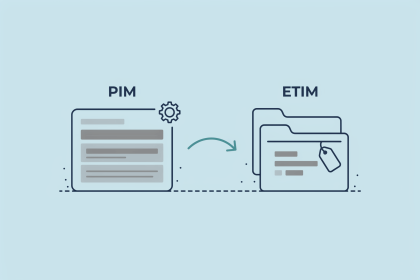
- Industry standards shared across companies, such as ETIM for technical products, ECLASS (also written eCl@ss) for industrial goods, GS1 GPC for consumer and retail goods, and UNSPSC for purchasing and spend analysis
- Channel-specific classifications, such as the product categories Google or a marketplace requires before a listing is accepted
Standards matter most in B2B. Distributors, wholesalers, and buyers' purchasing systems often expect product data to arrive already classified.
How is it different from a category tree?
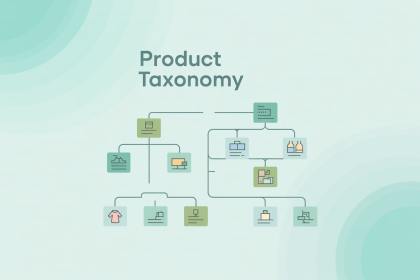
A category tree groups products so shoppers can browse a store. It is designed for navigation, it can change with seasons or promotions, and a product can sit in several categories at once. Classification describes what a product actually is. It rarely changes, each product usually belongs to one class per system, and that class determines which attributes must be filled in.
How does PIM support classification?
A Product Information Management (PIM) system can store several classifications for each product side by side and map internal classes to industry or channel standards. It can also use the assigned class to decide which attributes are required. When a supplier, distributor, or marketplace asks for data in a specific standard, the business can export it from the PIM instead of reclassifying products by hand.