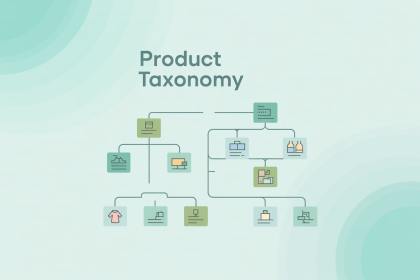

Product Data Model Definition
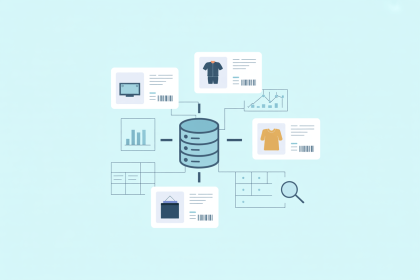
A product data model is the structure that defines how product information is organized, stored, and related to other data within a system, covering what fields exist, how they are grouped, and how products connect to things like categories, variants, and assets.
What does it look like in practice?
A simple product data model might say: every product has a name, a description, a price, and a SKU. A more complex one adds parent-child relationships for variants, links to digital assets like images and documents, category assignments, and channel-specific fields for different markets or languages.
The model is the underlying ruleset. What shoppers see on a product page is just one output of it.
Why does it matter?
A poorly defined data model causes problems downstream: fields get repurposed for unintended data, teams duplicate records, and integrations between systems break because data is structured differently in each one. Getting the model right early makes it easier to syndicate product data to retailers, marketplaces, and other channels without manual cleanup.
Who defines it?
Usually a combination of ecommerce, IT, and catalog teams, often when implementing a PIM or commerce platform. The model tends to grow over time as new product types, markets, or channels are added, which is why flexibility in the underlying system matters.