
Seller Central Definition
Seller Central is Amazon's online portal for businesses and individuals that sell their products directly to shoppers on the Amazon marketplace. In this arrangement, the business remains the seller of its products and uses Amazon as a sales platform, paying fees for access to Amazon's customers and services.
How does Seller Central work?
Sellers create an account, list their products, and manage their business through the portal, including pricing, inventory, orders, customer messages, advertising, and sales reports. They can choose how orders are delivered:
- Fulfilled by Merchant (FBM) — the seller stores, packs, and ships orders themselves
- Fulfillment by Amazon (FBA) — the seller sends stock to Amazon's warehouses, and Amazon handles storage, shipping, customer service, and returns for an additional fee
Amazon charges sellers through a combination of subscription or per-item fees, referral fees (a percentage of each sale), and fees for optional services like FBA and advertising. Unlike Vendor Central, Seller Central is open to any business that meets Amazon's registration requirements.
How is Seller Central different from Vendor Central?
Seller Central is known as third-party (3P) selling, because the business sells directly to shoppers and Amazon acts as the marketplace in between. Vendor Central, known as first-party (1P) selling, is the opposite model: the business sells its products wholesale to Amazon, and Amazon becomes the retailer. Seller Central gives the business more control over pricing, stock levels, and how its products are presented, but also more responsibility for managing the day-to-day running of its Amazon sales. Some brands use both models for different products or markets.
What role does product data play in Seller Central?
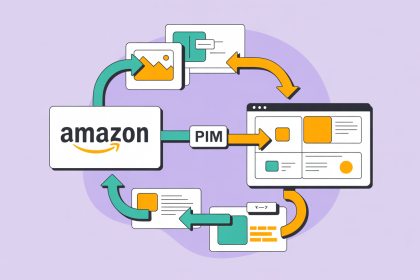
Sellers are responsible for the information on their product listings, including titles, descriptions, images, and attributes, and must follow Amazon's formatting and category requirements. Accurate, complete data helps products appear in Amazon search results and reduces returns and customer questions. Businesses that sell on Amazon alongside their own online store and other marketplaces often use a Product Information Management (PIM) system, which stores and manages product data in one place, to adapt content to Amazon's requirements while keeping it consistent across all channels.