
Vendor Central Definition
Vendor Central is Amazon's online portal for manufacturers and distributors that sell their products to Amazon in bulk, with Amazon then reselling those products to shoppers. In this arrangement, the business acts as a supplier (or "vendor") to Amazon, rather than selling directly to customers itself.
How does Vendor Central work?
Amazon sends the vendor purchase orders, which are formal requests to buy a set quantity of products at an agreed wholesale price. The vendor ships the goods to Amazon's warehouses, and Amazon handles the rest: it sets the retail price, stores the stock, sells the products on its website, and manages shipping, customer service, and returns. Products sold this way are typically labeled "Ships from and sold by Amazon." Vendors use the portal to manage orders, submit product information, track shipments and invoices, and review sales reports. Access to Vendor Central is generally by invitation from Amazon.
How is Vendor Central different from Seller Central?
Amazon offers two main ways to sell through its marketplace. With Vendor Central, often called first-party (1P) selling, the business sells wholesale to Amazon, and Amazon becomes the retailer. With Seller Central, often called third-party (3P) selling, the business sells directly to shoppers on Amazon's marketplace, keeps control over pricing and inventory, and pays Amazon fees for the use of the platform. Vendor Central offers the scale and trust associated with Amazon as the seller, but gives the business less control over how, and at what price, its products are sold. Some brands use both models for different products or markets.
What role does product data play in Vendor Central?
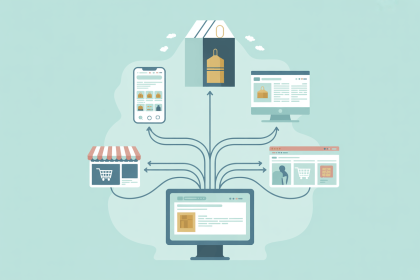
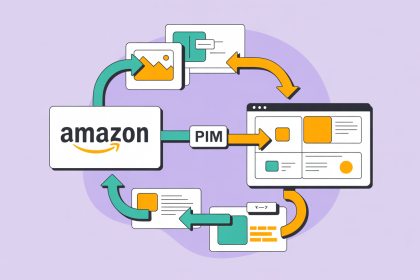
Vendors are responsible for supplying the product information that appears on Amazon listings, including titles, descriptions, images, and detailed attributes. Amazon has its own strict requirements for how this data is formatted and categorized, and incomplete or inaccurate data can delay listings or reduce how visible products are in search. Businesses that sell through Amazon alongside other channels often use a Product Information Management (PIM) system, which stores and manages product data in one place, to prepare content that meets Amazon's requirements while keeping it consistent with other sales channels.