
Master Data Management Definition
Master Data Management (MDM) is the practice of creating and maintaining one accurate, consistent version of a business's core data, such as customers, products, suppliers, and locations, and sharing it across all the systems that use it. The goal is for every department and system to work from the same information instead of each keeping its own copy.
What is master data?
Master data describes the core "things" a business deals with: who it sells to, what it sells, who it buys from, and where it operates. It changes fairly rarely and is used across many processes. This sets it apart from transactional data, such as orders and invoices, which records individual events and points back to master data. For example, an order refers to a customer and a product.
How does it work?
MDM collects data from the systems where it lives, such as an ERP (the system that runs finance, inventory, and operations), a CRM (the system that manages customer relationships), and the online store. It then finds duplicates, resolves conflicting values, and applies agreed rules and formats. The result is a golden record, the trusted version of each customer, product, or supplier, which is then shared back to the connected systems. Clear ownership is part of the process too: specific people are responsible for keeping each type of data correct.
Why does it matter?
When the same customer or product exists in several systems with different details, errors spread into invoices, deliveries, and reports. Problems like these are especially common in larger organizations with many systems, or after one company merges with another. MDM reduces these errors and makes reporting more reliable, because everyone is counting the same things.
How is MDM different from PIM?
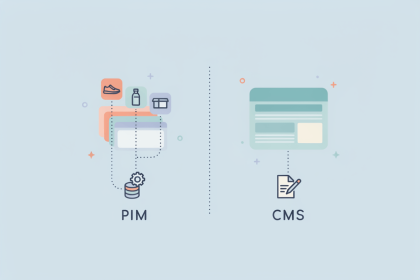
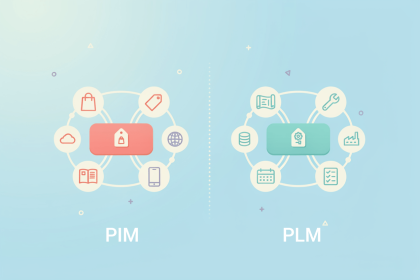
MDM covers many types of data and focuses on keeping core identifying information consistent across internal systems. Product Information Management (PIM) focuses only on products. It handles the rich content needed to sell them, such as descriptions, images, translations, and channel-specific details, and is usually run by ecommerce, marketing, or product teams. Many businesses use both: MDM supplies the core product record, and PIM builds it out for customers and sales channels.