
Reference Data Definition
Reference data is a fixed set of approved values that other data points to in order to classify or describe it. Common examples include country codes, currency codes, units of measurement, and product category lists. These lists change rarely and are shared across systems, so everyone uses the same values for the same things.
How is reference data different from other types of data?
Reference data defines the allowed options, while other data uses those options. Transactional data records individual events, such as an order placed on a specific date in a specific currency. Master data describes the core things a business works with, such as customers, suppliers, and products. Reference data provides the standard values both of them rely on. For example, a customer record (master data) might hold a country field whose value must come from an approved list of country codes (reference data).
Why does reference data matter?
When every system draws on the same list of values, data can be combined, compared, and reported on without conversion or guesswork. If one system records "USA", another "US", and a third "United States", reports can split one country into three, and data exchanged between systems may fail validation. Keeping one agreed version of each list prevents these mismatches and makes data easier to govern.
How is reference data managed?
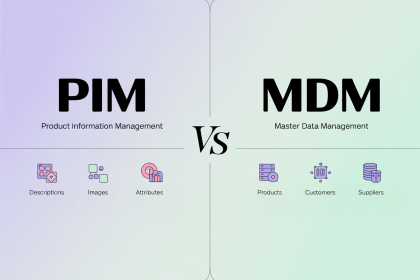
Reference data is usually maintained centrally by a designated team or owner, who approves changes and makes sure updates reach every system that uses the list. Many lists follow external standards, such as ISO codes for countries and currencies, while others, like internal product categories, are defined by the business itself. Organizations often manage reference data as part of Master Data Management (MDM), the practice and software used to keep core business data consistent across the company. In a Product Information Management (PIM) system, which stores and manages product data, reference data typically appears as predefined value lists for attributes such as color, material, or size, so product information stays consistent across every sales channel.