

Blog

How to Plan a Successful Product Launch
Planning a product launch? This guide covers what manufacturers get wrong about data, channels, and timing — and how to fix it before launch day.

PIM System: A Beginner's Guide
A PIM system centralizes all product data and distributes it to every channel automatically. Learn what it is, how it works, and when you need one.
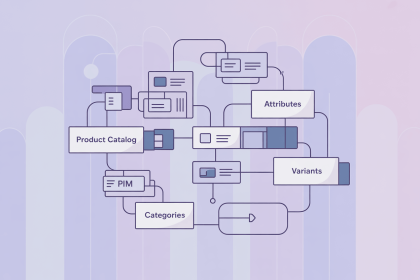
Product Information Management: Data Model Explained
Understand the product information management data model: core entities, attribute scopes, hierarchies, and how to design one for complex catalogs.

How to Use PIM for Product Catalog Management
PIM product catalog management explained: how to structure data, manage channels, publish catalogs, and fix the problems spreadsheets can't solve.
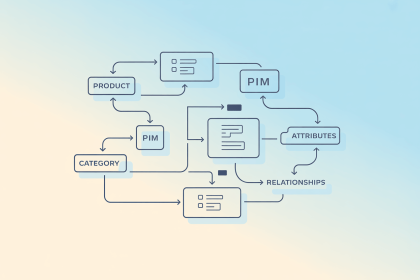
PIM Data Model: Structure, Components, and Design
Product Information Management (PIM) data model defines how product data is structured, stored, and connected. Learn its components, types, and how to design one that scales.

Centralizing Product Information: A Practical Guide
Product information centralization guide: data model, PIM selection, migration, supplier onboarding, localization, and KPIs for manufacturers.
Product Classification System: Standards and Approaches
Product classification system guide: ETIM, eCl@ss, UNSPSC, GPC, HS codes explained. Standards, approaches, and how to implement for B2B manufacturers.
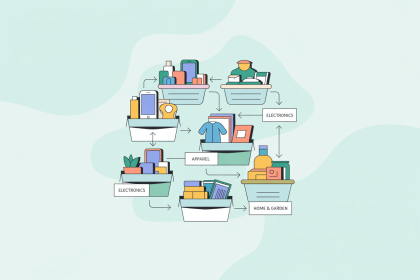
Product Classification: A Practical Guide
What product classification is, which standard systems apply to your industry, and how a PIM enforces it at catalog scale.
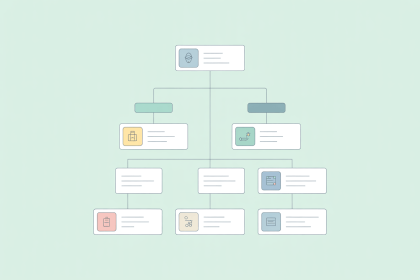
Product Hierarchy Best Practices for Complex Catalogs
Product hierarchy best practices for complex catalogs: structure levels, naming conventions, attribute inheritance, variants, and data governance.
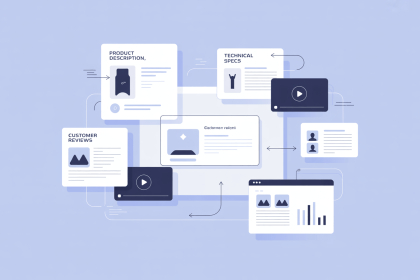
Product Content Enrichment: A Practical Guide
Product content enrichment: what it covers, where it breaks down, and how to build a process that produces complete, channel-ready records at scale.
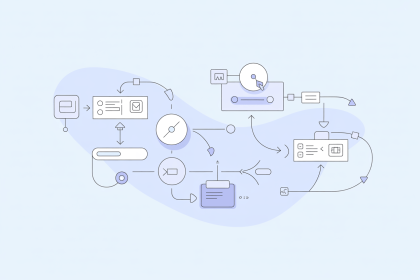
PIM Best Practices That Actually Work
PIM best practices for manufacturers: data ownership, modeling, workflows, channel syndication, and incremental rollout that hold up in production.

Proprietary vs Open-Source PIM Software: Detailed Comparison
Proprietary vs open-source PIM software compared: licensing costs, TCO, customization, vendor lock-in, and how to choose the right model for your business.