
Product Experience Management (PXM) Definition
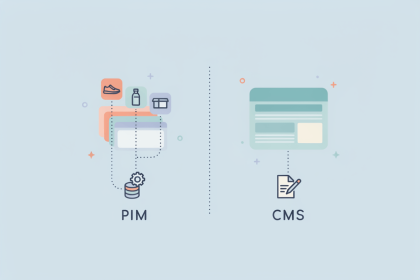
Product Experience Management (PXM) is the practice of shaping how a product is presented to shoppers across every channel, so that the information they see is not just accurate but relevant, complete, and persuasive in each context. Where Product Information Management (PIM) focuses on collecting and organizing product data, PXM focuses on what the customer actually experiences with that data on a product page, a marketplace listing, or a mobile app.
How is PXM different from PIM?
PIM answers the question "is our product data correct and consistent?" PXM answers "does this product look right and sell well on each specific channel?" A PIM might store one product description, while PXM tailors that description, along with images, keywords, and specifications, to fit the audience and requirements of Amazon, a company's own website, and a retail partner's catalog, each of which has different rules and shopper expectations. In practice PXM builds on top of PIM rather than replacing it.
What does PXM involve?
- Channel-specific content: adapting titles, descriptions, and imagery to each destination's format and audience
- Enrichment: adding the detail that drives conversion, such as comparison specs, richer copy, and better images
- Insight and measurement: tracking how listings perform (views, conversions, search ranking) and feeding that back into content decisions
Why does it matter?
Online shoppers cannot handle a product before buying, so the quality of its presentation directly affects whether they buy and whether they return the item afterward. As brands sell across more channels, managing each experience by hand becomes impractical. PXM treats presentation as something to be managed deliberately and improved over time, using performance data rather than guesswork.