
Product Information Management Definition
Product Information Management (PIM) is the process of collecting, maintaining, and distributing product data from a central source to ensure it is accurate, complete, and consistent across all sales and marketing channels.
What does it look like in practice?
In most businesses, product data starts out scattered across supplier spreadsheets, shared drives, ERP systems, and email threads. Different teams work from different versions. By the time a product goes live, nobody is entirely sure which data is current, or whether it matches across channels.
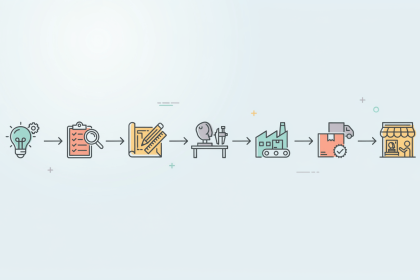
Product information management is the process of bringing that under control: one place where product data is collected, enriched, approved, and sent to wherever it needs to go.
What tools are used?
Dedicated PIM software is the most widely adopted approach, but smaller businesses often run the same process through spreadsheets and shared drives. The tool matters less than having a clear, consistent process. Most businesses only move to purpose-built software when the catalog grows large enough, or the number of channels and markets makes manual coordination impractical.
Why does it matter?
Inconsistent product data has a direct business cost: marketplace listings get rejected, return rates rise when product descriptions do not match what arrives, and internal teams waste time correcting data that should have been right from the start.