Data Stewardship Definition
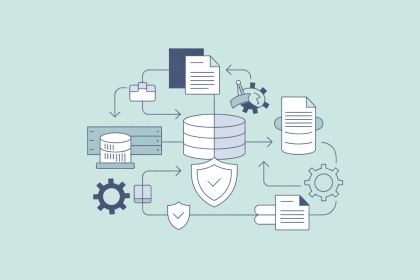
Data stewardship is the day-to-day responsibility for keeping an organization's data accurate, consistent, and properly used. The people who carry this responsibility are called data stewards. Each steward usually looks after a specific area of data, such as product, customer, or supplier information.
What does a data steward do?
- Sets standards for their data, such as naming rules, formats, and which fields are required
- Monitors quality by checking for errors, gaps, and duplicates, and making sure they get fixed
- Reviews changes to important data before they are accepted
- Answers questions about what the data means and how it should be used, acting as a link between business teams and IT
Data steward is often not a separate job title. The role is usually taken on by people who already know the data well, such as a product manager or catalog manager.
How is it different from data governance?
Data governance is the overall framework of policies, rules, and responsibilities a company sets for its data. Data stewardship is how that framework is put into practice. Governance decides what the rules are, and stewards apply them to the data every day.
How does PIM support data stewardship?
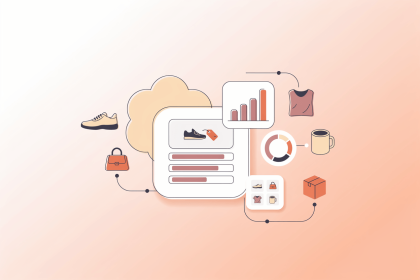
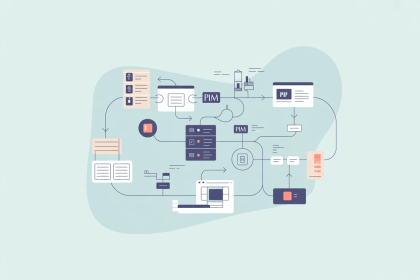
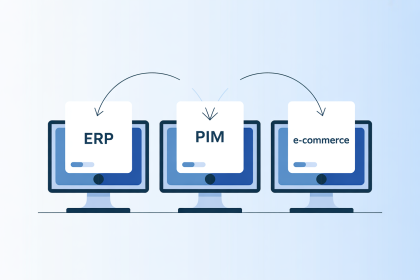
Product data stewards often do much of their work in a Product Information Management (PIM) system. A PIM lets them define required fields and validation rules, see which products are incomplete, review changes before they are published, and check a history of who changed what. This gives stewards one place to control the quality of product information across all sales channels.