
Translation Management Definition
Translation Management is the process of organizing, producing, and maintaining translated versions of product content across the languages a business sells in. In a product data context, it covers everything from short attribute values to full marketing descriptions, legal disclaimers, and packaging copy.
What needs to be translated?
Not all product fields carry equal translation priority. Typically the most important are product names and descriptions, marketing and promotional copy, legal and safety information, unit labels, and SEO metadata such as page titles and meta descriptions. Technical specifications like dimensions, weight, and material codes often do not need translation but may need localization for unit conversion or regional formatting.
How does it work in practice?
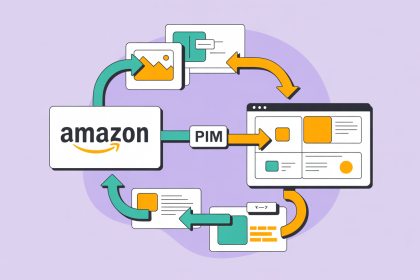
Content typically moves through a pipeline: source text is extracted from the product record, sent to a translator (human, machine, or a combination), reviewed, and written back into the correct language field. In a PIM system, this is often handled through built-in locale management, where each attribute holds separate values per language so that translated and source content coexist in the same record without overwriting each other. When source content changes, translation management also tracks which translated versions are now out of date and need updating.
How is it different from localization?
Translation converts text from one language to another. Localization goes further, adapting content to the cultural, legal, and commercial expectations of a specific market. A product sold in Germany may need not just German text, but compliant safety language, metric units, and region-specific imagery. Translation management is one part of a broader localized content strategy.