Data Migration Definition
Data migration is the process of moving data from one system, storage location, or format to another, for example when a company replaces old software, moves to the cloud, or combines systems after a merger. The goal is for all data to arrive in the new system complete, correct, and ready to use.
What are the main steps?
- Planning: deciding which data to move, where it currently lives, and what can be left behind
- Mapping: matching each field in the old system to its place in the new one, for example "Item No." to "SKU"
- Cleansing and transforming: fixing errors and converting data into the formats the new system expects
- Moving and testing: transferring the data, usually with trial runs first, and checking that nothing was lost or altered
- Switching over: making the new system the one people work in and retiring the old one
What can go wrong?
Common problems include lost or duplicated records, broken connections between related data (such as products and their images), and fields that don't fit the new structure. Moving data as it is also carries old mistakes into the new system, which is why data cleansing is usually done before or during the migration.
How does data migration relate to PIM?
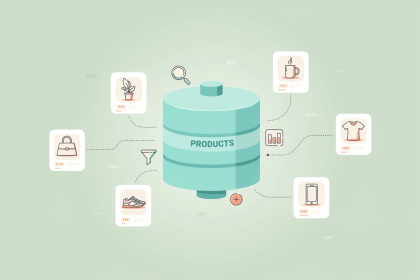
Migration is often the first step in introducing a Product Information Management (PIM) system. Product data scattered across spreadsheets, ERP (Enterprise Resource Planning) systems, and older ecommerce platforms is mapped, cleaned, and imported into the PIM, which then becomes the single place where product information is managed. Companies also go through a migration when they switch from one PIM to another.