Product Description Definition
A product description is the written text that explains what a product is, what it does, and who it is for. It turns raw product attributes into readable copy that helps customers decide whether a product fits their needs, whether they shop in an online store, on a marketplace, or from a printed catalog.
What does a product description include?
Most product descriptions combine factual detail with an explanation of why that detail matters to the buyer:
- Benefits and use cases that show what problem the product solves and when it is used
- Technical details such as dimensions, materials, compatibility, and care or usage instructions
- Short and long versions: a brief summary for listings and search results, and a fuller text for the product page
- SEO elements such as relevant keywords, a meta title, and a meta description (the title and summary text that search engines show in their results)
How is it different from product attributes?
Attributes are individual data fields, such as color, weight, or material. Each holds a single value that systems can filter, sort, and compare. A description is free text that puts those facts in context. The attribute "Material: merino wool" tells a shopper what the product is made of, while the description explains what that means for the wearer, such as warmth without bulk.
Because descriptions repeat many attribute values in prose, the two need to stay in sync. A description that contradicts the specifications confuses shoppers and leads to returns.
Why does it matter?
Online shoppers cannot touch or try a product before buying, so the description is one of the main ways they judge whether it suits them. Clear, accurate text helps them buy with confidence, which supports conversion rates. It also gives search engines text to read and rank, which helps the product appear in search results (see Product SEO). And because it sets accurate expectations, fewer orders come back as returns.
Why does one product need several descriptions?
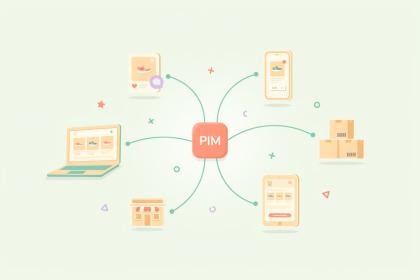
The same product is often sold across many channels, languages, and markets, and each has its own requirements. A marketplace may limit text length or ask for bullet points, a B2B buyer may expect more technical depth, and each market needs text written for its own language and customers, not just translated word for word. These adapted versions are known as channel-specific content and localized content.
How does PIM support product descriptions?
A Product Information Management (PIM) system stores every version of a product's description in one place, next to the attributes and images it refers to. Teams can write, translate, and approve text for each channel and language, and see which products are still missing a description. When product details change, the updated text is published to every channel from the same source instead of being edited by hand in each one.