
HS Code Definition
An HS code (Harmonized System code) is an internationally agreed number used to classify traded goods, so that customs authorities in any country can identify what a product is when it crosses a border. The system is maintained by the World Customs Organization and used by most countries worldwide. A product's code determines which import duties, taxes, and trade rules apply to it.
How is an HS code structured?
The international code has six digits, read from broad to specific. The first two digits identify the chapter, the next two the heading, and the last two the subheading. For example, 61 covers knitted clothing, 6109 covers knitted T-shirts, and 6109.10 covers knitted T-shirts made of cotton. Countries add extra digits for their own tariffs and statistics: the EU uses 8- and 10-digit codes, and the US uses 10-digit codes. The first six digits are the same everywhere, but the full code can differ by destination.
Who needs HS codes?
Any business that ships goods across borders needs them, including manufacturers, wholesalers, importers, exporters, and ecommerce sellers with international customers. The code appears on customs declarations and commercial invoices, and carriers and some marketplaces ask for it as well. The business declaring the goods is responsible for choosing the correct code. In many countries, it can ask customs authorities for a binding ruling to confirm the classification.
What happens if the code is wrong?
An incorrect code can cause shipments to be held at customs or lead to paying the wrong amount of duty. Underpaying can result in back-payments and penalties later. The system is also revised roughly every five years, so a code that was correct before can become outdated.
How does it relate to product data and PIM?
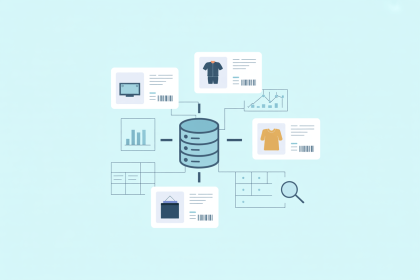
An HS code is a product attribute, just like weight or country of origin, and it belongs with a product's other compliance data. Since different destinations may need different national codes, businesses often store one code per market. A Product Information Management (PIM) system keeps these codes with each product and passes them to the ERP, shipping software, and marketplace listings, so the same code is used everywhere and updates happen in one place.