
Rich Content Definition
Rich Content is any product content that goes beyond plain text and static images to give shoppers a more detailed, interactive, or immersive experience of a product. This includes video, 360-degree product views, hotspot images, comparison tables, enhanced brand storytelling, and interactive feature guides.
What does rich content typically include?
- Video — product demos, how-to guides, unboxing, lifestyle footage
- 360-degree imagery — rotatable product views that let shoppers inspect from any angle
- Hotspot images — clickable areas on an image that reveal feature callouts or additional detail
- Enhanced brand content — structured layouts combining imagery, copy, and icons, known on Amazon as A+ Content
- Comparison tables — structured side-by-side views across a product range
- Interactive selectors — size guides, configuration tools, compatibility checkers
Where does rich content appear?
Primarily on product pages, both on a brand's own ecommerce platform and on third-party marketplaces that support enhanced content. Not all channels support rich content formats; a retailer's data feed may only accept flat text and a single image, while a brand's own site can display the full experience.
Why does it matter?
Online shoppers cannot inspect a product in person. Rich content compensates for that gap by giving them more angles, more context, and more confidence before buying. It is consistently associated with higher conversion rates and lower return rates, particularly for products where fit, function, or finish is difficult to convey in a single image and a short description.
How does a PIM fit in?
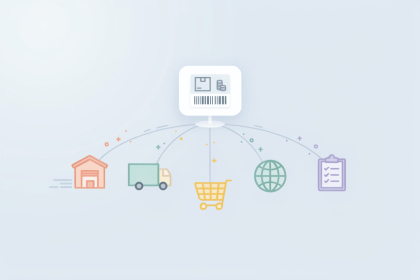
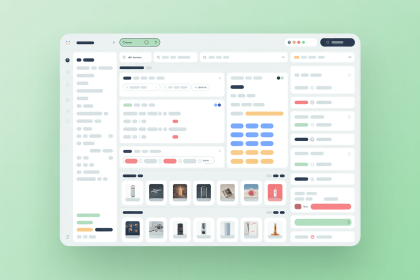
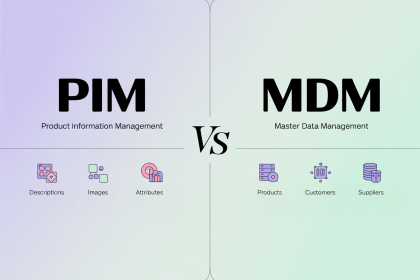
A PIM system manages the metadata and structured attributes around rich content, linking assets, tracking which content exists per locale or channel, and ensuring the right version is published to the right destination. The media files themselves are typically stored in a DAM (Digital Asset Management) system, with the PIM referencing them rather than storing them directly.