

Blog
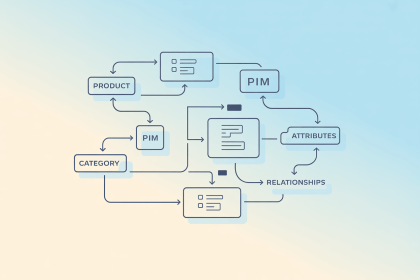
PIM Data Model: Structure, Components, and Design
Product Information Management (PIM) data model defines how product data is structured, stored, and connected. Learn its components, types, and how to design one that scales.

Product Attributes: All You Need to Know
What are product attributes, and why do they make or break your catalog? This guide covers types, best practices, common mistakes, and PIM-based management — with real examples.

PIM Software Comparison: 16 Solutions Ranked by Use Case
PIM software comparison by use case: manufacturers, e-commerce, retail syndication, catalog publishing, DPP compliance, multilingual content, and more. 16 systems covered.
PIM Adoption Challenges and How to Overcome Them
PIM adoption challenges explained: what stalls rollouts, how to fix user resistance, data quality gaps, and scope creep.

Centralizing Product Information: A Practical Guide
Product information centralization guide: data model, PIM selection, migration, supplier onboarding, localization, and KPIs for manufacturers.

Product Description Writing Examples That Sell
Product description writing examples that sell: 21 tips on format, tone, structure, and SEO to turn product pages into conversion tools.
Product Classification System: Standards and Approaches
Product classification system guide: ETIM, eCl@ss, UNSPSC, GPC, HS codes explained. Standards, approaches, and how to implement for B2B manufacturers.
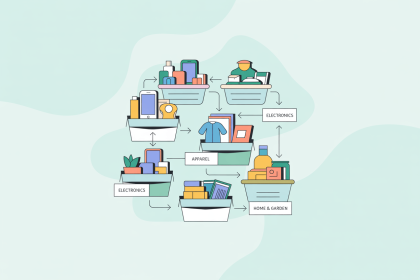
Product Classification: A Practical Guide
What product classification is, which standard systems apply to your industry, and how a PIM enforces it at catalog scale.

Excel vs. PIM: When Spreadsheets Are Not Enough
Excel vs PIM: find out when managing product data in Excel stops working and what switching to a PIM system actually changes for your team and catalog.
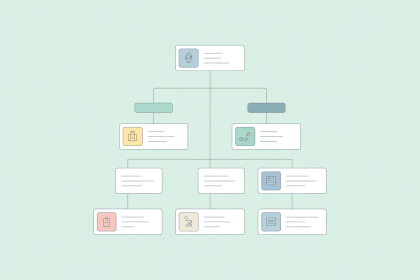
Product Hierarchy Best Practices for Complex Catalogs
Product hierarchy best practices for complex catalogs: structure levels, naming conventions, attribute inheritance, variants, and data governance.

PIM Pricing Guide: Factors and Vendor Comparison
PIM pricing ranges from free open-source to $50K+/year. Models, cost drivers, hidden fees, ROI, and 13 platforms compared.
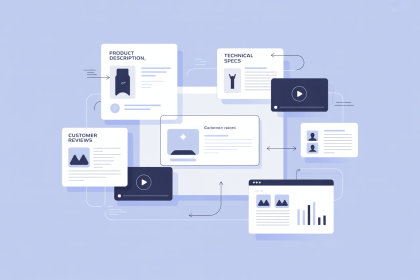
Product Content Enrichment: A Practical Guide
Product content enrichment: what it covers, where it breaks down, and how to build a process that produces complete, channel-ready records at scale.