

Blog
How to Pick a Product Database Software
PIM, ERP, PLM, PDM, or a custom database? How to identify the right product database software and what to check before you commit.

How to Build a Winning Product Data Strategy
Learn how to build a product data strategy that governs, enriches, and syndicates product information at scale. A practical guide for manufacturers and distributors.
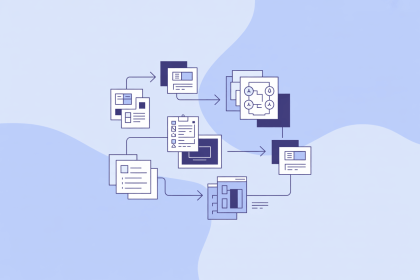
How Product Information Management Process Works
Product information management process explained: how product data flows from collection to syndication, and where the process breaks down in practice.
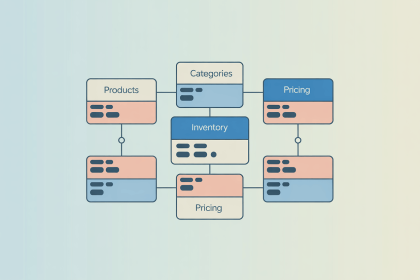
Product MDM: Data Model Fundamentals That Prevent Rebuilds
Product MDM data model design determines whether your master data works across systems or quietly fails. Here's what actually makes it good.
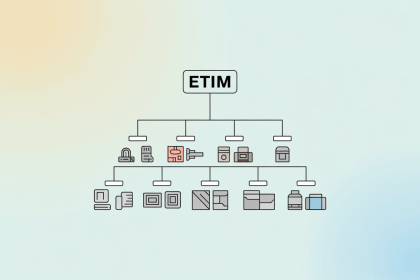
ETIM Classification: How It Works and Why It Matters for Technical Product Data
ETIM classification and the ETIM standard explained: what they are, how they work, which industries use them, and how to implement them.
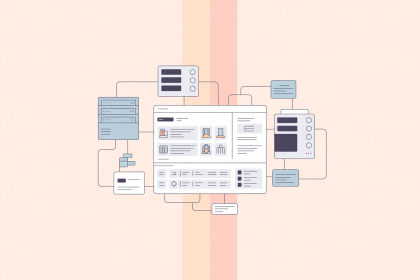
How to Build a Product Catalog Database That Grows With Your Business
Product catalog database: schema, attribute modeling, and data structure decisions that scale with complex manufacturer and distributor catalogs.
20 PIM Software Companies Reviewed: Ratings, Differentiators, and Pricing
20 PIM software companies reviewed: G2, Capterra & Software Advice ratings, key differentiators, and pricing. Find the right fit for your catalog.
Catalog Management Explained: Processes, Challenges, and Best Practices
Catalog management explained: what it covers, where it breaks down, and how to run product data well across complex, multi-channel environments.

Product Data Syndication: A Practical Guide
Product data syndication explained: what it is, how it works, common failure points, and how to manage it without losing data quality.

How to Plan a Successful Product Launch
Planning a product launch? This guide covers what manufacturers get wrong about data, channels, and timing — and how to fix it before launch day.

Data Syndication: A Practical Guide for Product Teams
Data syndication for product content: what it is, how it works, where it breaks down, and how to manage it without losing data quality.
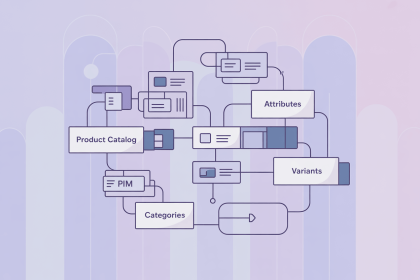
Product Information Management: Data Model Explained
Understand the product information management data model: core entities, attribute scopes, hierarchies, and how to design one for complex catalogs.